Water-Saving Fixtures: A Comprehensive Guide for Eco-Friendly Homes and Businesses
As the world grapples with water scarcity and environmental degradation, adopting water-saving fixtures has become a crucial step towards a sustainable future. In this article, we'll delve into the world of water-saving fixtures, exploring their benefits, types, and installation tips for homes and businesses.
Key Takeaways:
- Water-saving fixtures can reduce water consumption by up to 30%
- Low-flow showerheads and toilets are the most effective water-saving fixtures
- Installing water-saving fixtures can lead to significant cost savings on water bills
- Water-saving fixtures are a crucial step towards achieving a sustainable future
Benefits of Water-Saving Fixtures
Water-saving fixtures offer numerous benefits, including:
| Benefit | Description |
|---|---|
| Water Conservation | Reducing water consumption helps preserve this precious resource for future generations |
| Cost Savings | Lower water bills and reduced energy consumption lead to significant cost savings |
| Environmental Benefits | Conserving water helps reduce the energy needed to treat and transport water, leading to a lower carbon footprint |
Types of Water-Saving Fixtures
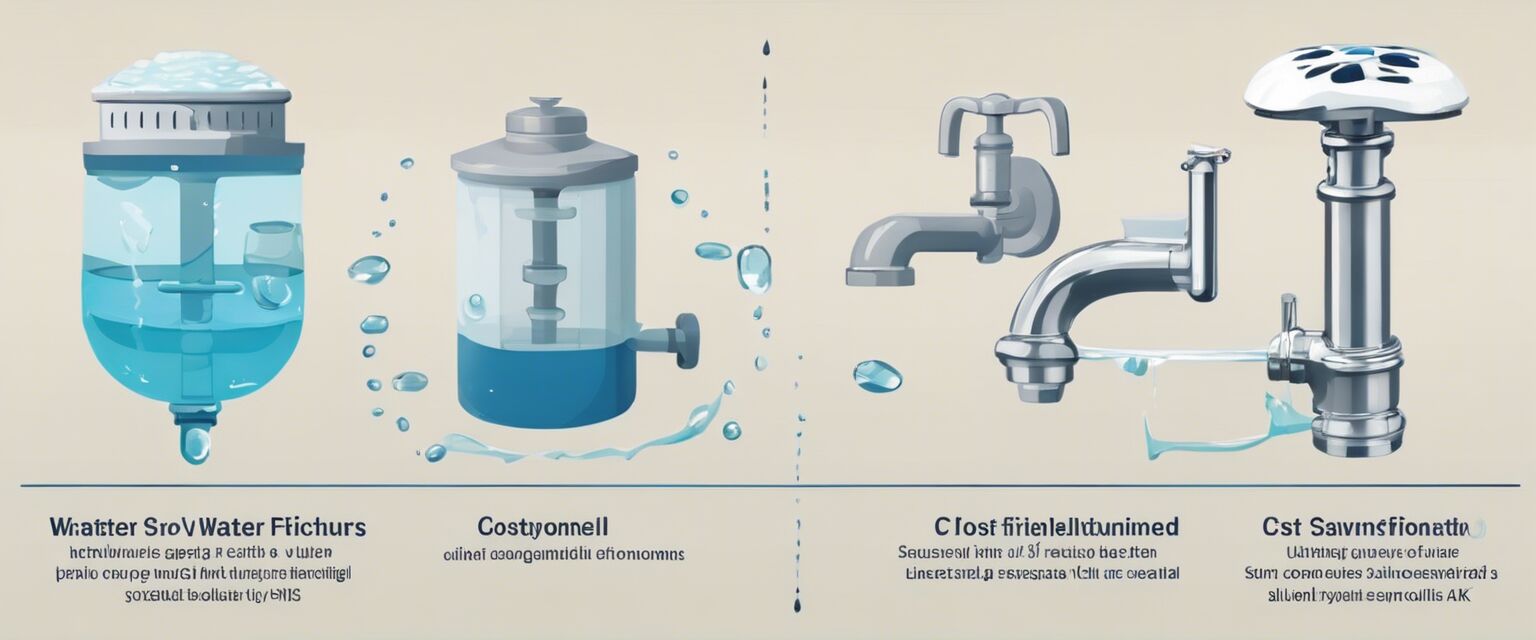
There are various types of water-saving fixtures available, including:
- Low-Flow Showerheads
- Dual-Flush Toilets
- Low-Flow Faucets
- Graywater Systems
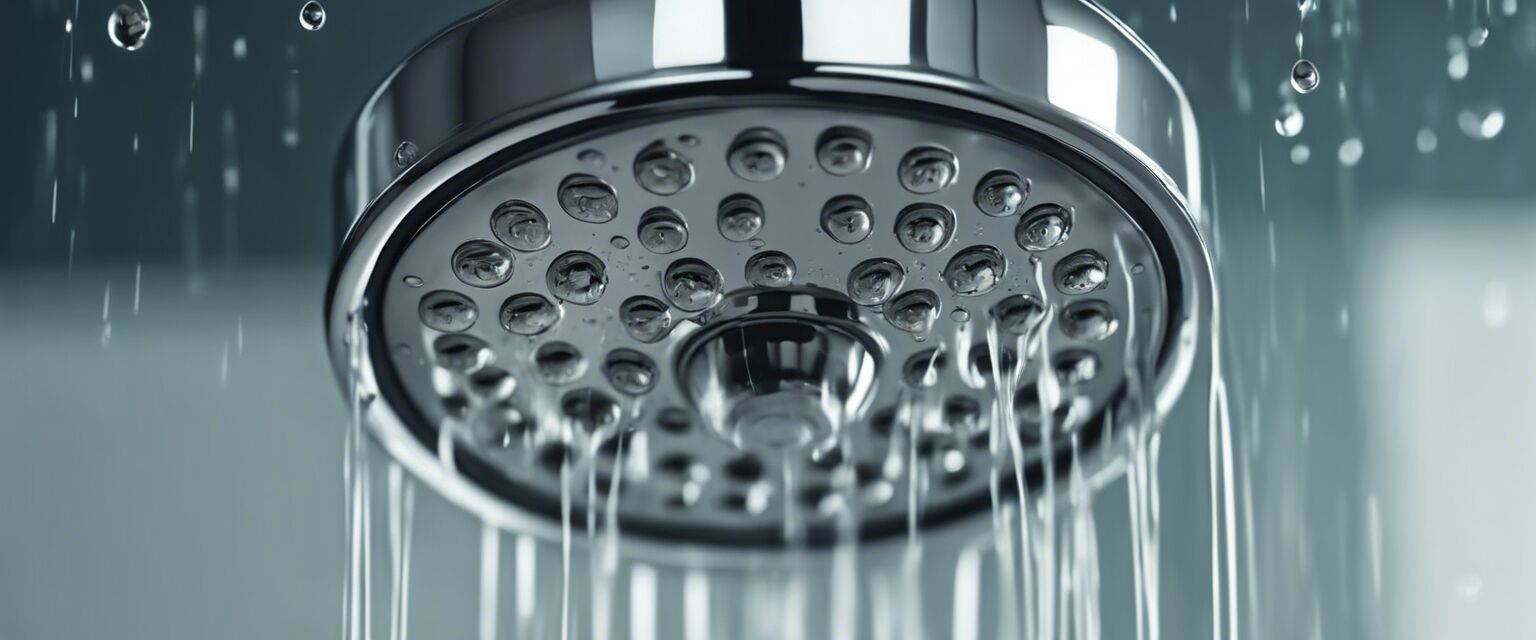
Low-Flow Showerheads
Low-flow showerheads are designed to reduce water consumption while maintaining a satisfying shower experience. They typically use aerodynamic technology to create a powerful spray while using less water.
Dual-Flush Toilets
Dual-flush toilets offer two flushing options: a full flush for solid waste and a partial flush for liquid waste. This innovative design significantly reduces water consumption.
Installation Tips for Water-Saving Fixtures
When installing water-saving fixtures, keep the following tips in mind:
- Hire a professional plumber to ensure proper installation
- Choose fixtures with the WaterSense label, which indicates compliance with EPA standards
- Consider retrofitting existing fixtures with water-saving components
Beginners Section:
New to water-saving fixtures? Start by:
- Conducting a water audit to identify areas for improvement
- Researching local rebates and incentives for water-saving fixtures
- Consulting with a professional plumber to determine the best fixtures for your needs
Pros
- Significant water conservation
- Cost savings on water bills
- Environmental benefits
Cons
- Higher upfront costs for some fixtures
- Potential for reduced water pressure
Conclusion
Water-saving fixtures are a crucial step towards a sustainable future. By understanding the benefits, types, and installation tips for these fixtures, you can make an informed decision to reduce your water consumption and contribute to a more eco-friendly world.