Greywater recycling solutions
Key Takeaways
- Greywater recycling systems use water from showers, sinks, and laundry to reduce water consumption.
- Installing these systems can lead to significant cost savings on water bills.
- They contribute to sustainable plumbing solutions in eco-friendly households.
- Regulations may vary by location, so always check local laws before installation.
- Regular maintenance is crucial for optimal performance.
In today's world, conserving water is more important than ever, especially with the increasing demand for sustainable living solutions. Greywater recycling systems offer a promising way to save water and reduce utility bills by recycling water from everyday activities. In this article, we'll delve into the various aspects of greywater recycling solutions for homes, discussing their benefits, installation tips, maintenance, and more.
What is greywater?
Greywater refers to wastewater generated from household activities such as bathing, washing dishes, and laundry. Unlike black water (wastewater from toilets), greywater is generally less contaminated, making it safer to reuse for certain applications. By recycling greywater, homeowners can significantly reduce their water usage and environmental footprint.
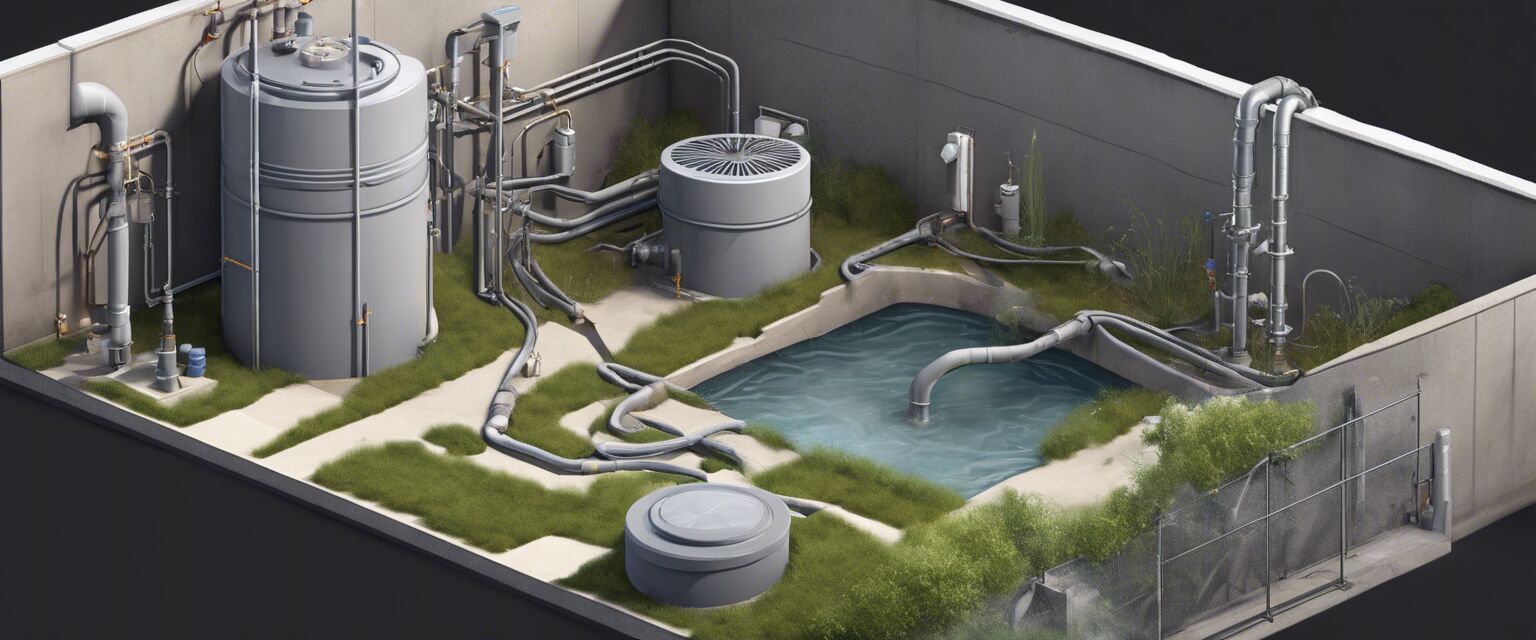
Benefits of greywater recycling systems
There are numerous advantages to implementing greywater recycling systems, some of which include:
- Reduces overall water consumption.
- Decreases water bills.
- Minimizes the strain on sewage systems or septic systems.
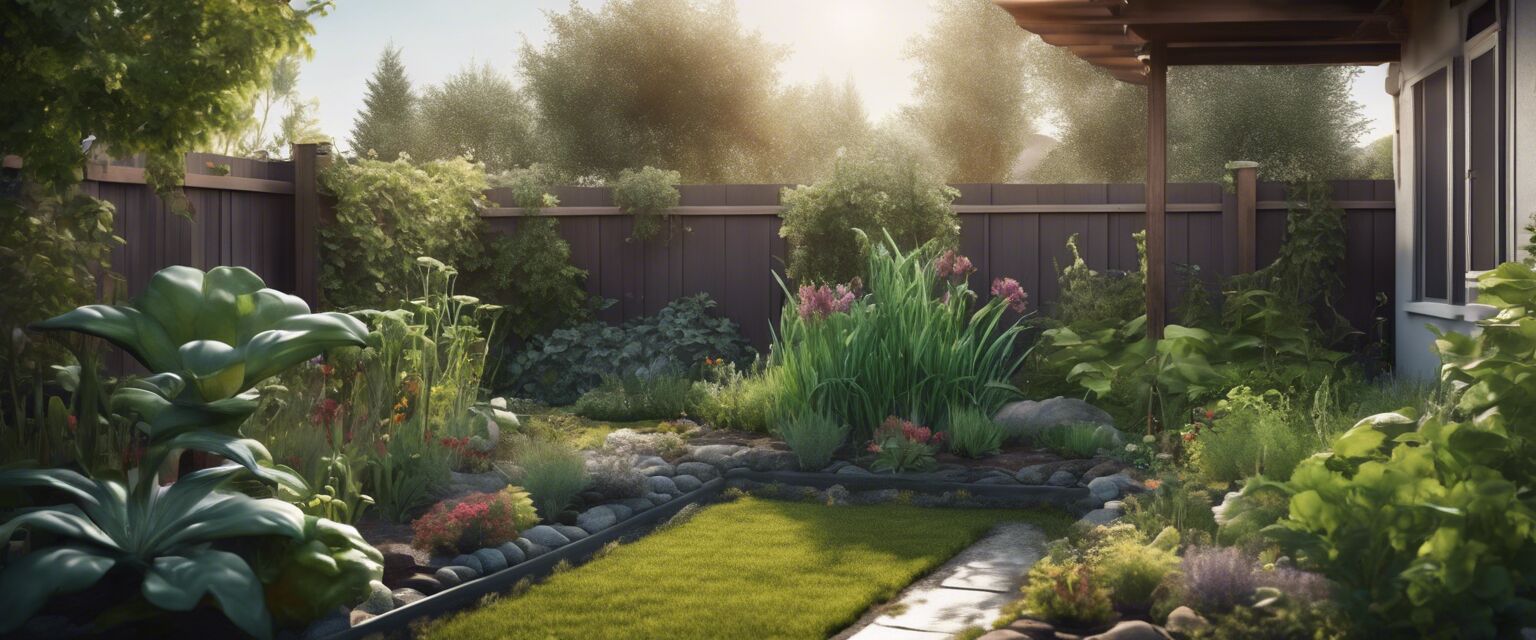
- Helps with landscape irrigation, promoting healthier plants.
- Contributes to environmentally-friendly living.
Cost savings
Installing a greywater recycling system can lead to significant water bill reductions. The initial investment may vary depending on the system design, but the long-term savings can make it worthwhile.
Contribution to sustainability
Greywater recycling systems are an integral part of sustainable plumbing solutions, which help homeowners play a part in the larger effort of conserving natural resources and protecting the environment.
Types of greywater recycling systems
There are several types of greywater recycling systems to consider:
| System Type | Description |
|---|---|
| Simple Diversion Systems | Directly redirect greywater to irrigation systems without treatment. |
| Gravity-Flow Systems | Use gravity to channel greywater to storage tanks before use. |
| Recycling Systems | Includes filtration and treatment processes before reusing greywater. |
| Pump Systems | Uses a pump to move greywater to where itâs needed. |
Installation considerations
Before installing a greywater recycling system, consider the following:
- Check local regulations regarding greywater usage.
- Assess your home's plumbing layout and water usage.
- Choose a system that fits your homeâs needs and budget.
- Hire a qualified professional for installation to ensure compliance and safety.
Maintenance of greywater recycling systems
Regular maintenance is essential to keep your greywater recycling system functioning effectively. Here are some maintenance tips:
- Regularly clean filters to prevent clogs.
- Monitor for any signs of leaks or malfunctions.
- Schedule annual inspections by a professional.
- Test the water quality periodically to ensure it's safe for intended use.
Pros
- Promotes environmental sustainability
- Cost-effective in the long run
- Reduces water waste
- Easy application in landscaping
Cons
- Initial setup cost can be high
- Requires regular maintenance
- Not suitable for all homes due to plumbing layouts
- Potential regulatory restrictions
Conclusion
Greywater recycling systems provide an excellent way for homeowners to conserve water and reduce utility costs while playing an important role in protecting the environment. With various options available, it's essential to choose a system that fits your household's needs and local regulations. Implementing greywater solutions can easily lead to a more sustainable lifestyle, contributing positively to your surroundings.
Learn more about eco-friendly plumbing solutions
If you're interested in furthering your commitment to sustainability, check out our other resources on biodegradable plumbing products, eco-friendly water heaters, and water-saving fixtures.