Green Building Certification and Plumbing: What You Need to Know
As the world becomes more environmentally conscious, green building certification has become a sought-after recognition for buildings that prioritize sustainability. But did you know that plumbing plays a crucial role in achieving this certification?
Key Takeaways
- Green building certification is a recognition of a building's sustainable design and operation
- Plumbing systems significantly impact a building's water and energy efficiency
- Choosing eco-friendly plumbing products and materials can contribute to green building certification
- Water conservation and energy efficiency are key factors in green building certification
What is Green Building Certification?
Green building certification is a third-party verification that a building has met certain sustainable design and operation standards. There are various green building certifications, such as LEED, WELL, and Passive House, each with its own set of requirements and criteria. These certifications aim to reduce the environmental impact of buildings, improve occupant health and well-being, and promote sustainable development.
The Role of Plumbing in Green Building Certification
Plumbing systems are a critical component of green building certification. They significantly impact a building's water and energy efficiency, which are key factors in achieving certification. Here are some ways plumbing contributes to green building certification:
- Water Conservation: Low-flow fixtures and greywater reuse systems help reduce water consumption, which is essential for green building certification.
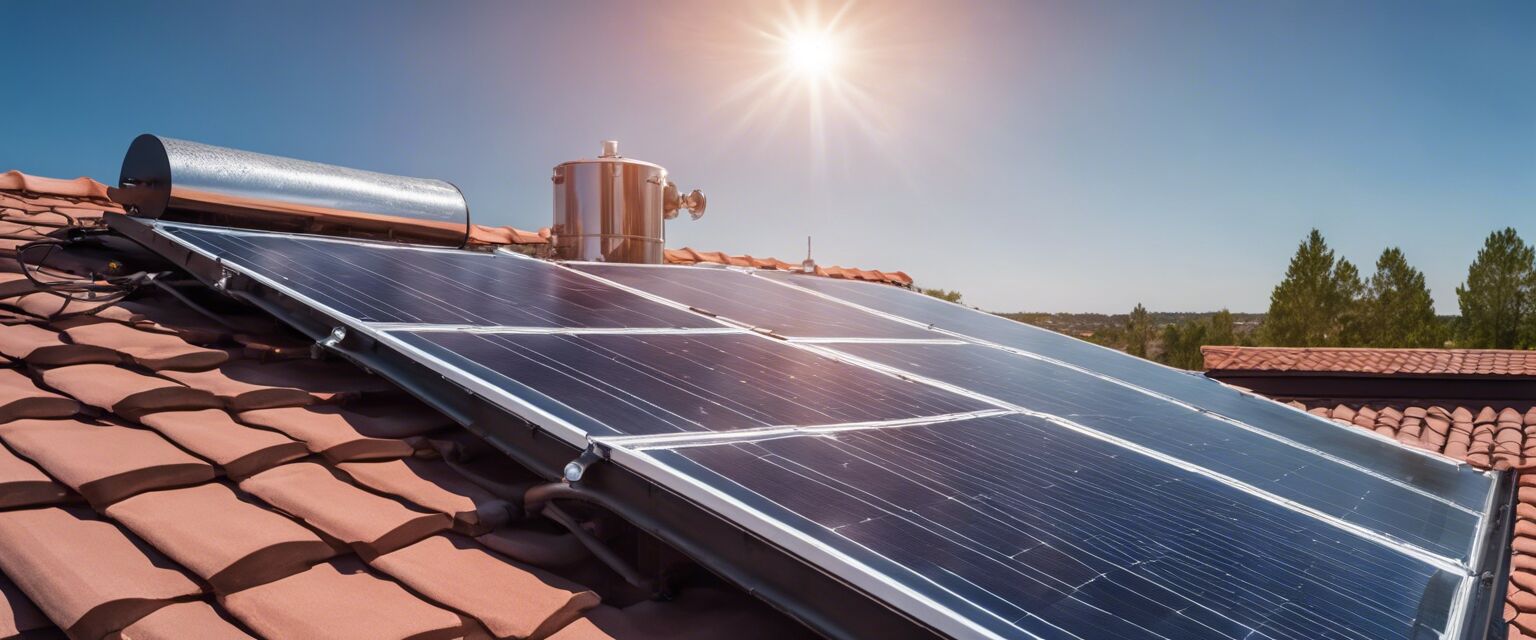
- Energy Efficiency: Energy-efficient water heaters, pumps, and piping materials reduce energy consumption, contributing to a building's overall energy efficiency.
- Sustainable Materials: Using eco-friendly plumbing materials, such as recycled materials and low-VOC (volatile organic compound) products, promotes sustainability and reduces environmental impact.
| Plumbing Feature | Impact on Green Building Certification |
|---|---|
| Low-Flow Fixtures | Reduces water consumption, contributing to water efficiency credits |
| Greywater Reuse Systems | Reduces potable water demand, contributing to water efficiency credits |
| Energy-Efficient Water Heaters | Reduces energy consumption, contributing to energy efficiency credits |
Benefits of Eco-Friendly Plumbing in Green Building Certification
Choosing eco-friendly plumbing products and materials can bring numerous benefits to a building, including:
- Water Conservation: Reduces water consumption, saving resources and reducing utility bills.
- Energy Efficiency: Reduces energy consumption, saving energy and reducing greenhouse gas emissions.
- Cost Savings: Eco-friendly plumbing solutions can reduce maintenance and replacement costs in the long run.
- Enhanced Reputation: Achieving green building certification can enhance a building's reputation and appeal to environmentally conscious occupants.
Choosing the Right Plumbing Products for Green Building Certification
When selecting plumbing products for a green building certification project, consider the following factors:
- Water Efficiency: Choose low-flow fixtures and greywater reuse systems to reduce water consumption.
- Energy Efficiency: Select energy-efficient water heaters, pumps, and piping materials to reduce energy consumption.
- Sustainable Materials: Opt for eco-friendly plumbing materials, such as recycled materials and low-VOC products.
Conclusion
Green building certification is a prestigious recognition that showcases a building's commitment to sustainability. By choosing eco-friendly plumbing products and materials, building owners and designers can significantly contribute to achieving this certification. Remember, every small step towards sustainability counts, and plumbing plays a vital role in this journey.
Benefits of Green Building Certification
- Enhanced reputation and appeal
- Cost savings through water and energy efficiency
- Improved occupant health and well-being
Challenges of Green Building Certification
- Higher upfront costs for eco-friendly materials and technologies
- Increased complexity in design and operation
- Stringent certification requirements
For more information on eco-friendly plumbing solutions, explore our biodegradable plumbing products, eco-friendly water heaters, and rainwater harvesting systems.
By prioritizing sustainability in plumbing design and operation, we can create a more environmentally friendly built environment. Start your journey towards green building certification today!