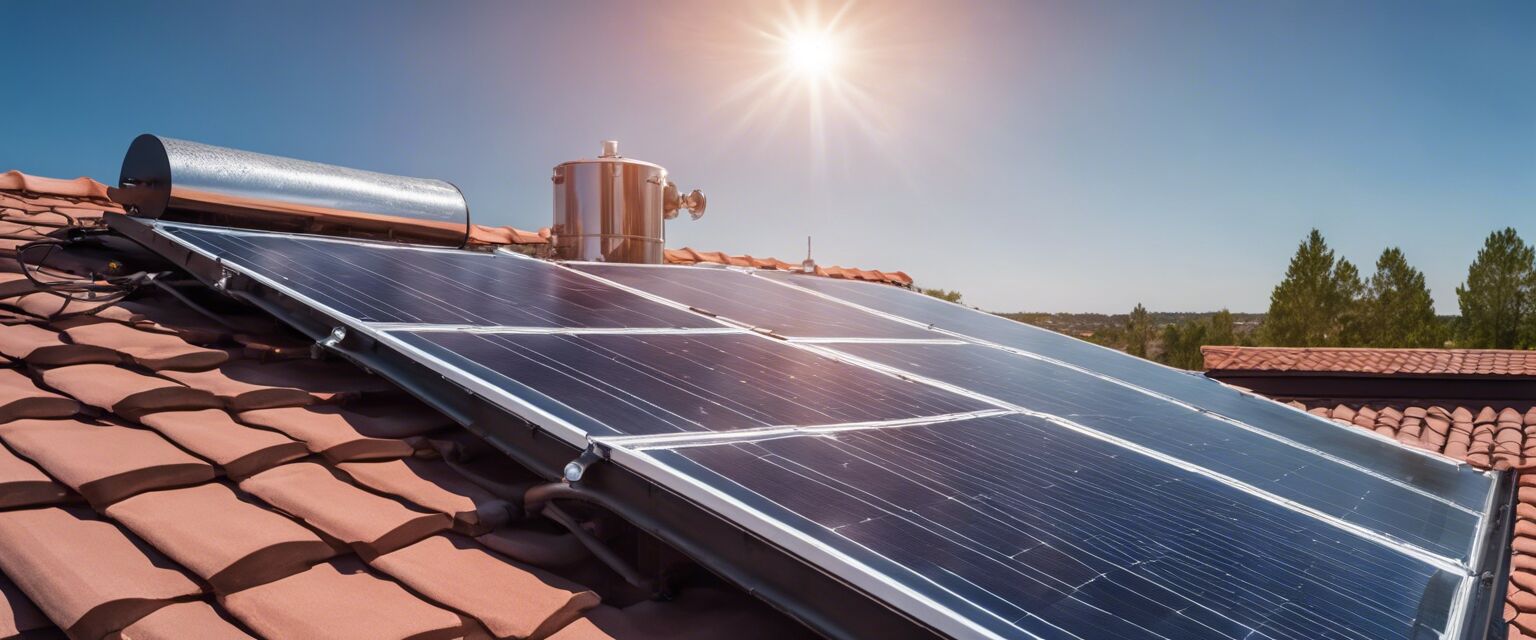
Eco-Friendly Leak Detection Systems: A Comprehensive Guide
Water leaks can be a significant threat to the environment, wasting precious resources and causing damage to properties. Traditional leak detection systems often rely on chemicals and energy-intensive technologies, contributing to the problem. However, with the growing focus on sustainability, eco-friendly leak detection systems have emerged as a game-changer in the plumbing industry.
Key Takeaways
- Eco-friendly leak detection systems reduce water waste and energy consumption.
- They use sustainable materials and minimize environmental impact.
- Advanced technologies like sensors and AI enable accurate and efficient detection.
- Early detection prevents property damage and saves costs.
What are Eco-Friendly Leak Detection Systems?
Eco-friendly leak detection systems are designed to detect water leaks in a sustainable and environmentally responsible manner. These systems utilize innovative technologies and materials that minimize environmental impact while providing accurate and efficient detection.
Types of Eco-Friendly Leak Detection Systems
| Type | Description | Advantages |
|---|---|---|
| Sensor-Based Systems | Use sensors to detect changes in water pressure, flow, or temperature. | High accuracy, low maintenance, and real-time monitoring. |
| Acoustic Systems | Use sound waves to detect leaks in pipes. | Non-invasive, no excavation required, and cost-effective. |
| Machine Learning-Based Systems | Use AI algorithms to analyze data and detect anomalies. | Real-time monitoring, predictive maintenance, and optimized water usage. |
Benefits of Eco-Friendly Leak Detection Systems
Implementing eco-friendly leak detection systems can bring numerous benefits to homeowners, businesses, and the environment.
- Water Conservation: Detecting leaks early prevents water waste, reducing the strain on our planet's resources.
- Energy Efficiency: Eco-friendly systems minimize energy consumption, reducing greenhouse gas emissions and operating costs.
- Cost Savings: Early detection prevents property damage, reducing repair costs and insurance claims.
- Environmental Sustainability: Eco-friendly materials and technologies reduce the environmental footprint of leak detection.

Challenges and Limitations
While eco-friendly leak detection systems offer numerous benefits, there are some challenges and limitations to consider.
- Higher Upfront Costs: Eco-friendly systems may be more expensive than traditional alternatives.
- Technological Complexity: Advanced technologies require specialized knowledge and installation.
- Data Accuracy: Ensuring accurate data analysis and interpretation is crucial for effective leak detection.
Conclusion
Eco-friendly leak detection systems are a vital step towards a more sustainable future. By understanding the benefits, types, and challenges of these systems, homeowners and businesses can make informed decisions about adopting eco-friendly solutions.
At Sunderland Plumber, we're committed to providing you with the best eco-friendly plumbing solutions. Explore our range of biodegradable plumbing products, eco-friendly water heaters, and green plumbing accessories to start your sustainable journey.

Beginners Section
Getting Started with Eco-Friendly Leak Detection
- Research and compare different eco-friendly leak detection systems.
- Consult with a professional plumber to determine the best solution for your needs.
- Consider factors like cost, accuracy, and maintenance requirements.
Pros
- Reduces water waste and energy consumption.
- Minimizes environmental impact.
- Early detection prevents property damage and saves costs.
Cons
- Higher upfront costs.
- Technological complexity requires specialized knowledge.
- Data accuracy can be a challenge.