Eco-Friendly Plumbing Practices
Key Takeaways
- Understanding eco-friendly plumbing reduces water waste.
- Implementing sustainable materials contributes to environmental conservation.
- Utilizing rainwater harvesting systems can drastically lower water bills.
- Choosing biodegradable plumbing products minimizes landfill waste.
Eco-friendly plumbing practices are essential for conserving water and reducing our impact on the environment. As plumbing systems consume a significant amount of water and generate waste, adopting greener techniques can lead to substantial savings and environmentally friendly results. In this comprehensive guide, we will explore various eco-friendly plumbing practices, including water-saving fixtures, biodegradable products, and sustainable solutions.
1. Water-saving fixtures
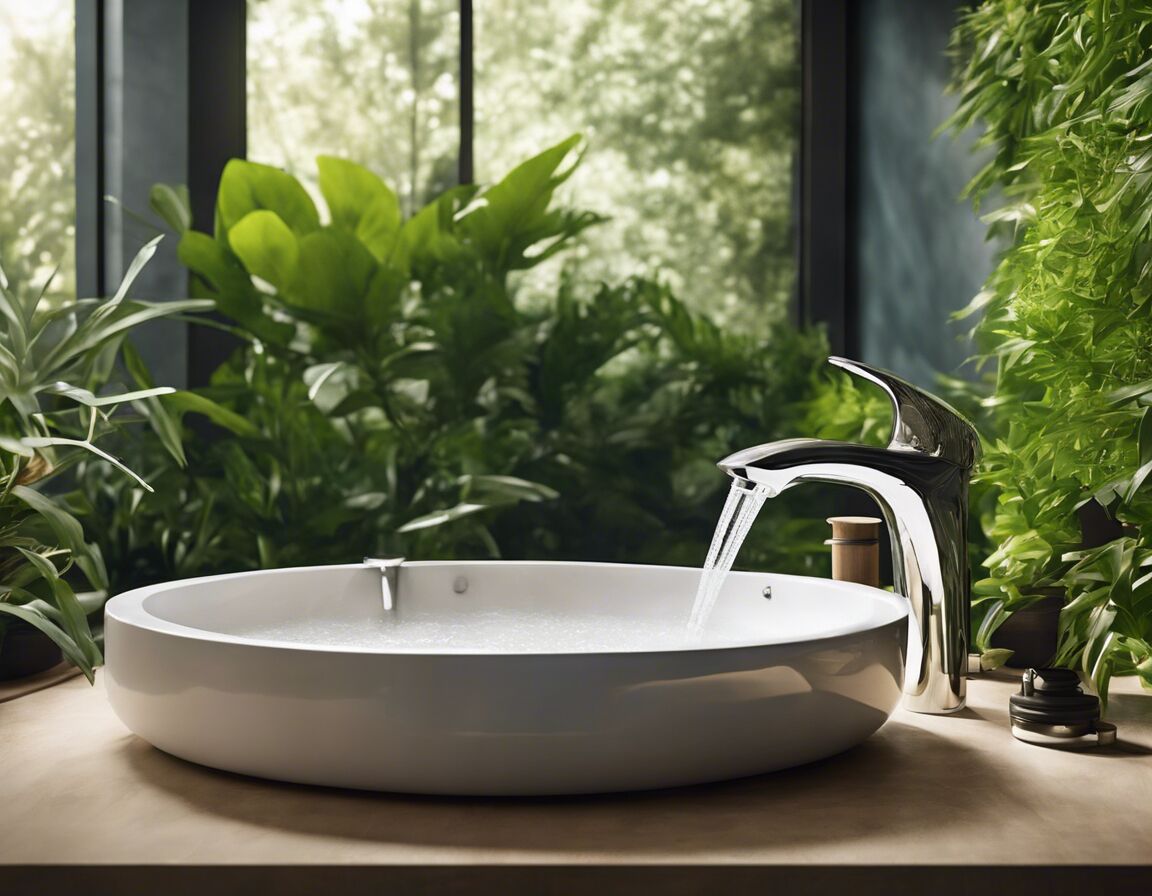
Water-saving fixtures are a great way to reduce water consumption without sacrificing functionality. These fixtures not only lower your water bill but also contribute to overall water conservation efforts. Here are some popular options:
| Type | Features | Benefits |
|---|---|---|
| Low-flow faucets | Reduces flow to less than 1.5 GPM | Decreases water usage by approximately 30% |
| High-efficiency toilets | Uses around 1.28 gallons per flush | Can save over 10,000 gallons per year |
| Water-efficient showerheads | Limits flow to 2.5 GPM or less | Reduces water use while maintaining pressure |
2. Biodegradable plumbing products
Using biodegradable plumbing products is a significant step towards reducing your carbon footprint. These products break down naturally over time, minimizing the impact on landfills and the environment. Some commonly used biodegradable products include:
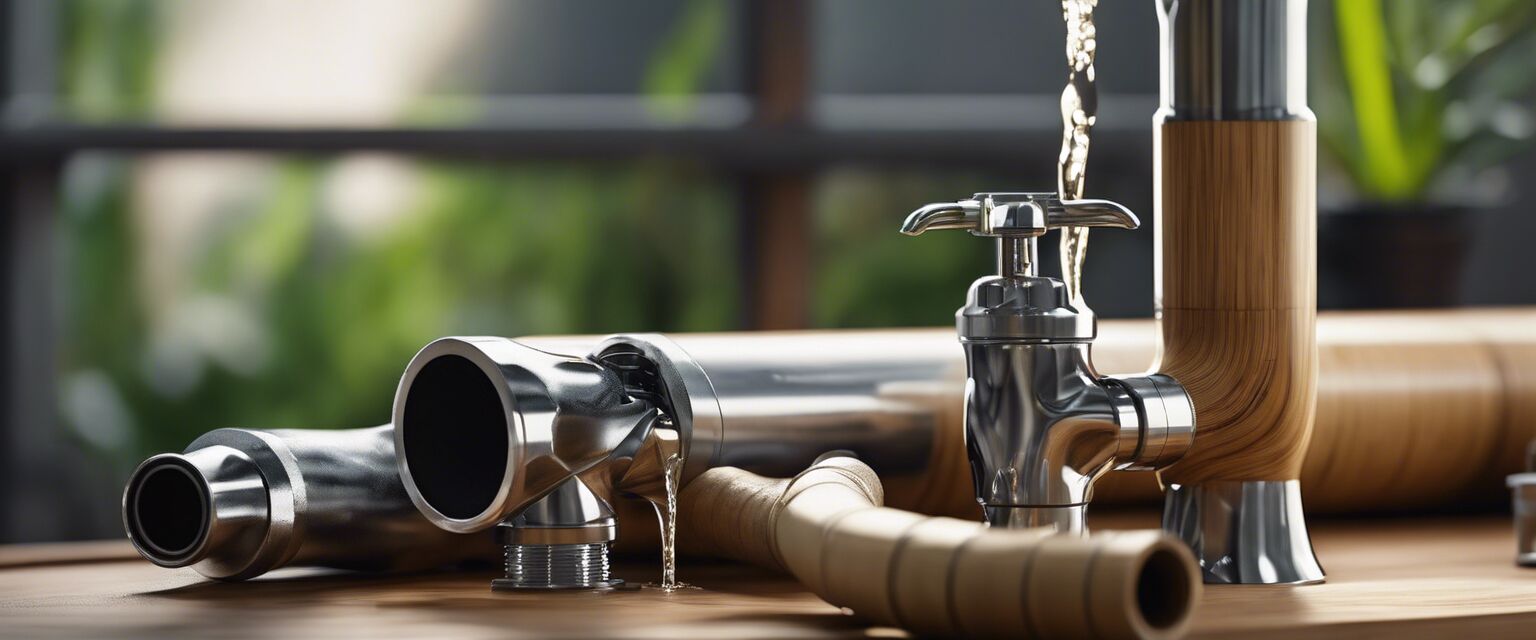
- Biodegradable pipes and fittings
- Eco-friendly sealants and adhesives
- Natural drain cleaners
If you'd like to explore more about biodegradable plumbing options, check out our Biodegradable Plumbing Products.
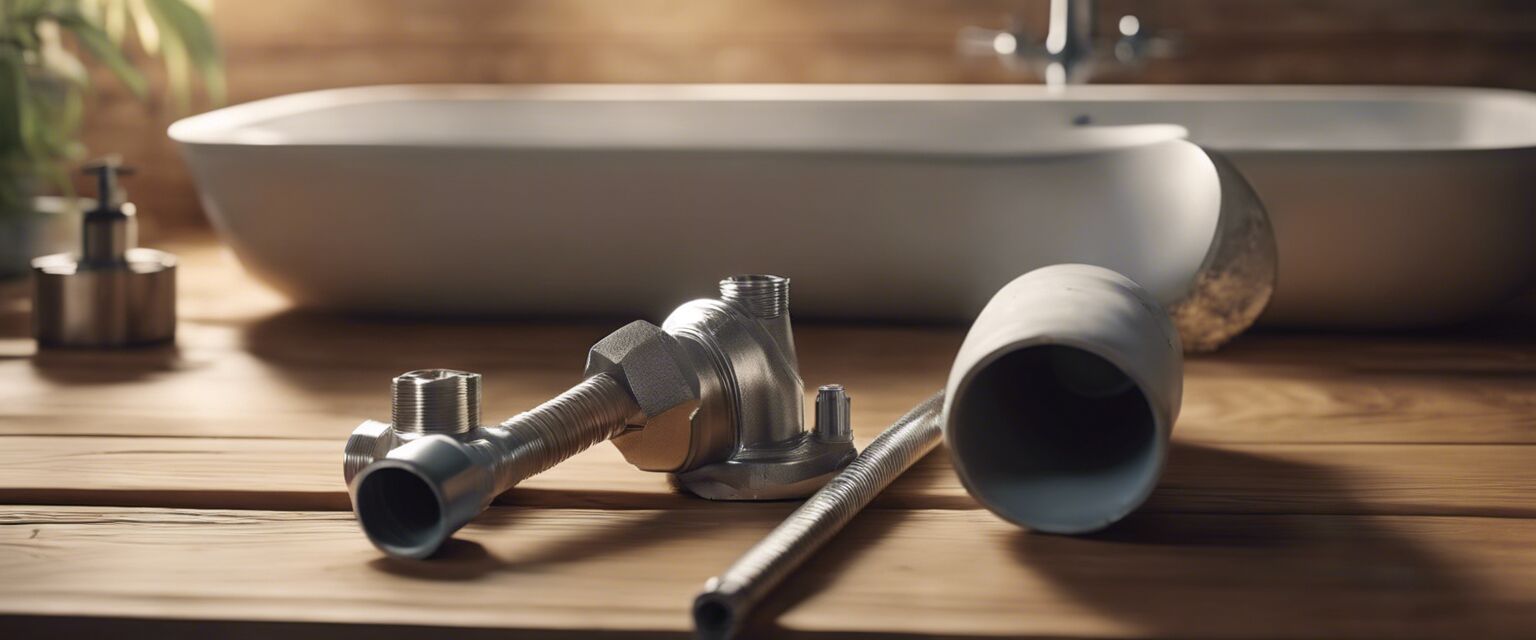
3. Sustainable piping solutions
Sustainable piping solutions are essential for eco-friendly plumbing. They not only reduce environmental impact, but they also ensure durability and longevity. Common sustainable options include:
| Material | Features | Benefits |
|---|---|---|
| PVC coated pipe | Durable and resistant to corrosion | Long-lasting with minimal maintenance |
| Copper pipes | Recyclable and energy-efficient | Natural materials, resistant to mold |
| Cross-linked polyethylene (PEX) | Flexible and easy to install | Low energy loss and long lifespan |
For more insights into sustainable piping options, check out our Sustainable Piping Solutions.
4. Rainwater harvesting systems
Harvesting rainwater can significantly reduce your dependence on traditional water sources and help conserve the environment. Rainwater harvesting systems capture runoff from roofs and direct it into storage tanks for later use. Here's a quick overview of the benefits:
- Reduces water bills
- Provides an alternative water source for irrigation
- Minimizes stormwater runoff and pollution
Learn more about implementing this system by visiting our Rainwater Harvesting Systems page.

5. Eco-friendly water heaters
Traditional water heaters can account for a significant portion of your household energy consumption. Switching to eco-friendly water heaters can lead to substantial energy savings and a lower environmental impact. Consider the following types:
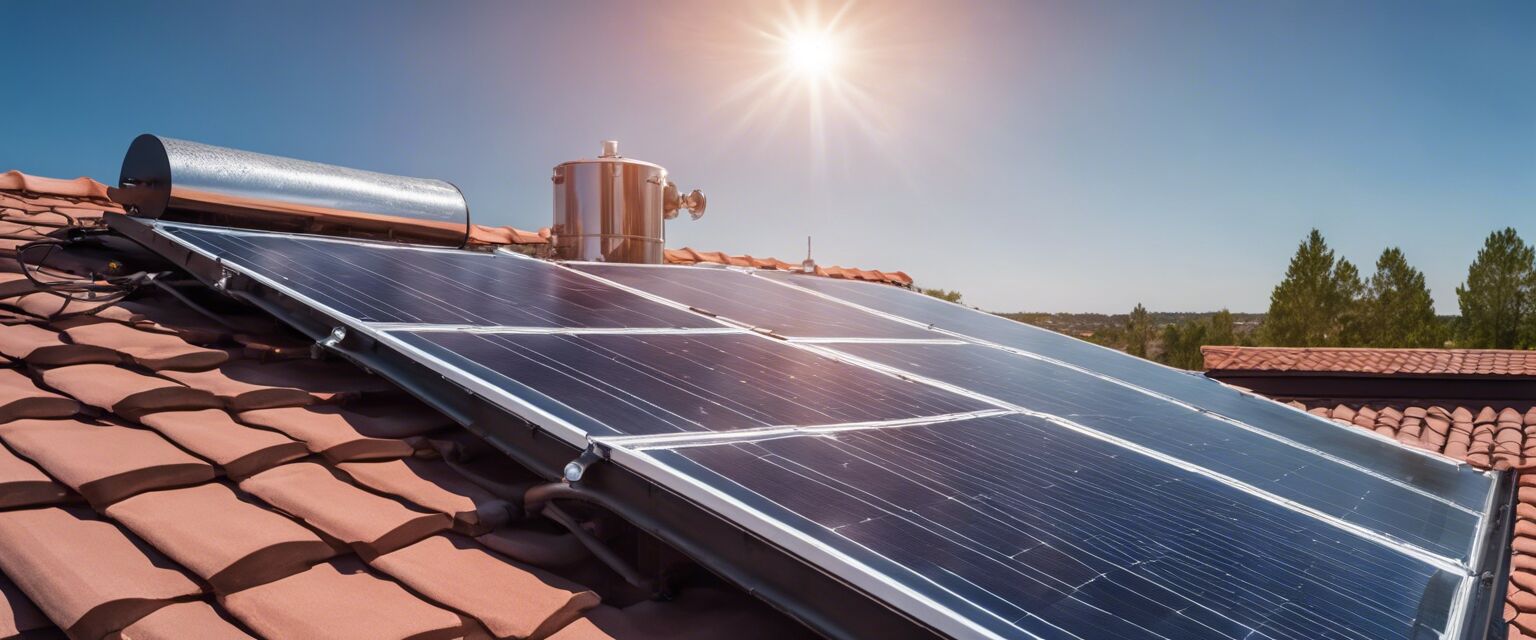
- Solar water heaters
- Heat pump water heaters
- On-demand (tankless) water heaters
Explore various green options listed on our page about Eco-Friendly Water Heaters.
Beginners section
If you're new to eco-friendly plumbing practices, here are some quick tips to get started:
- Check your plumbing for leaks regularly.
- Install low-flow fixtures throughout your home.
- Use biodegradable products for maintenance and repairs.
- Consider a rainwater harvesting system for outdoor irrigation.
Pros
- Reduces water consumption and saves money.
- Environmentally friendly and sustainable practices.
- Contributes to long-term conservation efforts.
Cons
- Initial costs may be higher for some installations.
- Maintenance might require specialized knowledge.
- Not all products are available in every location.